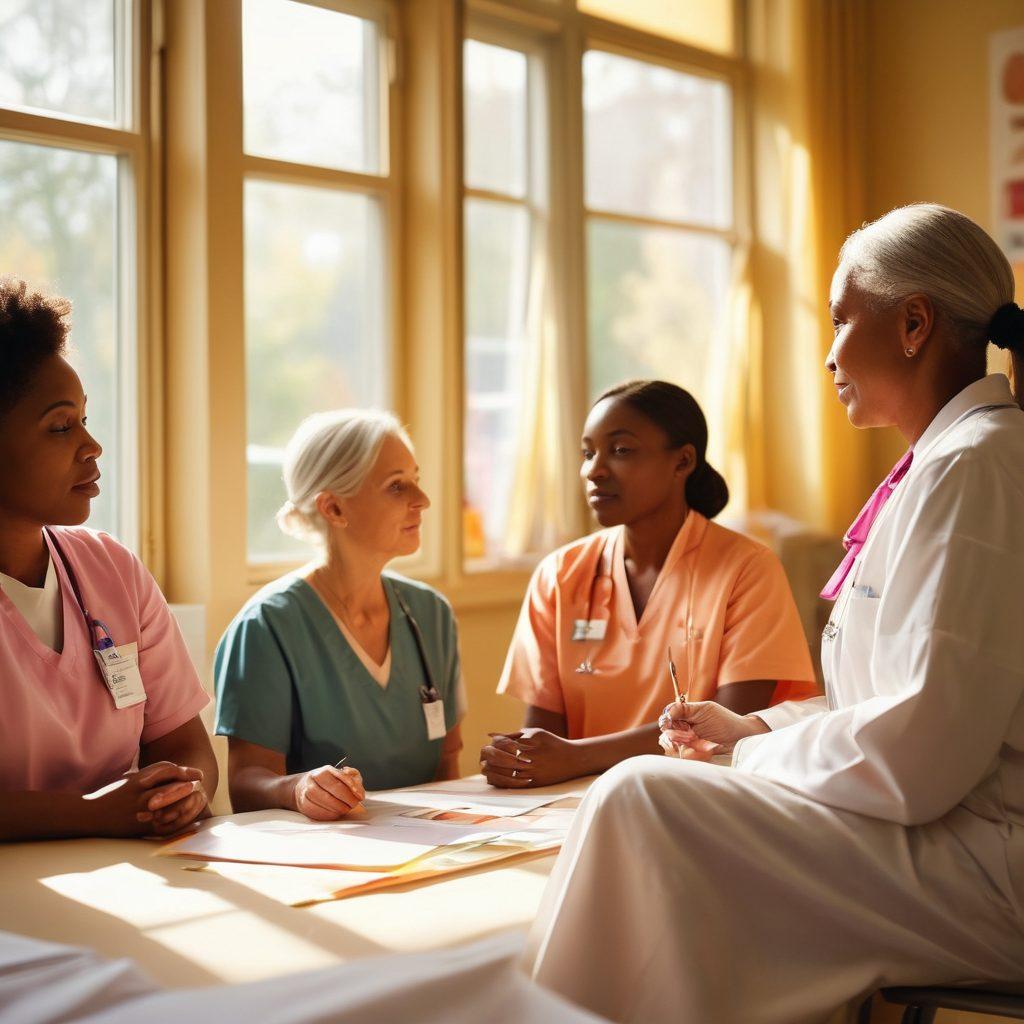
Navigating the Future of Cancer Care: Breakthroughs, Support, and Survivorship
As we step into a new era of health awareness, oncology news has been buzzing with an array of groundbreaking medical advancements that promise to revolutionize cancer care. Imagine a world where cancer treatments are not only more effective but also tailored to each individual’s genetic makeup. With over 1.9 million new cancer cases expected annually in the U.S alone, the importance of staying informed about cancer treatment options becomes ever more critical. For anyone touched by this disease, the quest for knowledge is not just about statistics; it’s about hope, resilience, and the future of survivorship.
So, what exactly are these breakthroughs in oncology that we hear so much about? Picture this: cutting-edge immunotherapy treatments designed to boost the immune system’s capabilities to fight tumors more effectively than traditional approaches. Recent cancer research studies have shown promising results that offer new paths for patients who previously had limited options. Moreover, advances in early diagnosis techniques are becoming paramount, with technologies like liquid biopsies enabling doctors to identify cancer at its earliest stages. This relentless pursuit of progress sheds light on a nagging question: 'How close are we to finding a cure?'
One of the most encouraging developments in oncology is the rise of survivorship programs. These programs are not just about surviving cancer; they represent a holistic health approach that encompasses wellness and lifestyle modifications even after treatment. Imagine a support group where individuals share their journeys and strategies for maintaining both their physical and mental health! This sense of community, paired with patient education through educational resources, creates a powerful network that fosters hope and empowerment amongst cancer survivors. It’s heartwarming to witness how individuals transform from patients into advocates for cancer support.
However, with all these advancements, it's crucial to recognize the role of palliative care and support systems. While we celebrate the progress in clinical trials and transformative cancer treatment options, the emotional and psychological aspects of cancer care must not be overlooked. Families and caregivers need support too. Organizations that provide cancer support services play a pivotal role in ensuring that no one walks this difficult path alone. What opportunities exist in your community for support, and how can you lend your voice to help others?
As we wrap up this exploration of oncology updates, let’s consider the importance of remaining vigilant in cancer prevention strategies. The more we share knowledge about lifestyle modifications that can reduce cancer risk, such as healthy diets and regular exercise, the more we empower ourselves and our loved ones. Finding ways to contribute to tumor research or supporting cancer research studies can also represent an impactful journey toward change. Staying informed, participating in clinical trials, and engaging in supportive communities are all vital steps in navigating the complex landscape of cancer care. Together, we can embrace a future where breakthroughs lead to better survivorship and health for all.
Empowering Patients Through Education and Support in Cancer Care
Cancer has long been one of the most daunting words in our vocabulary, often evoking fear and uncertainty. But in the landscape of oncology news, there’s a radiant glimmer of hope. With medical advancements and a significant focus on patient education, we are witnessing a transformative shift in cancer care, which empowers patients through knowledge and support. The journey from diagnosis to survivorship no longer feels like a lone expedition; it’s a collaborative effort where information, community, and well-being play critical roles.
Imagine being a patient navigating the overwhelming sea of cancer treatment options. Like a captain steering through tumultuous waters, it’s vital to arm oneself with knowledge. Health awareness is not just limited to understanding cancer itself but encompasses lifestyle modifications that can influence treatment outcomes. Educational resources, including webinars on emerging cancer research studies and workshops on cancer prevention strategies, elevate a patient’s ability to make informed decisions about their health. Wouldn't you want the tools to navigate your own journey more effectively?
In the world of oncology updates, clinical trials have become a beacon of hope for many patients. These trials often lead the way in uncovering groundbreaking therapies such as immunotherapy, making once-thought-impossible treatments a reality. But beyond the intricacies of research lies a simpler truth: patients deserve to be heard and informed. Understanding their treatment choices and potential side effects is essential—and this is where accessibility to educational resources shines. Through clear patient education initiatives, individuals feel empowered, lowering the feeling of isolation many face in their battles against cancer.
Moreover, clinical trials are not just an abstract concept; they represent a chance for community and connection. This storytelling aspect of cancer care cannot be overlooked. When patients share their experiences, whether through support groups or survivorship programs, they create a tapestry of hope and resilience. As Leon A. Watson said, "In every struggle, there’s implicit hope." Support systems not only create bonds of understanding but also act as conduits for vital oncology news, helping individuals stay updated and informed.
In the realm of holistic health, we’ve come to recognize that caring for the mind, body, and spirit is just as essential as the clinical aspects of care. Palliative care shouldn’t be seen as the final chapter; it’s a comprehensive approach that prioritizes comfort and quality of life during treatment. This perspective expands the definition of survivorship to include wellness beyond mere survival. By embracing educational resources and support networks, patients can cultivate a balanced, fulfilling life even amidst treatment. The question remains: What steps will you take to advocate for your health and empower your journey through cancer care?
The Future of Cancer Prevention: Innovations and Strategies for Early Diagnosis
As we look forward into the horizon of healthcare, one of the most vital areas of focus is cancer prevention. With advancements in medical science and innovative strategies, the future promises a paradigm shift in how we approach cancer diagnosis and treatment. Rather than merely reacting to cancer, we are poised to take proactive steps that can significantly alter the course of this disease. Imagine a world where early diagnosis techniques are so refined that they catch cancer in its infancy. Such a world is not a distant dream; it is becoming our reality. This exciting journey is paved with oncology news, research studies, and patient education that empowers us all.
Let's delve into the heart of this transformative era. With cutting-edge cancer research studies leading the way, we are witnessing breakthroughs that enhance health awareness and can significantly improve cancer treatment options. One such breakthrough is the development of advanced screening tools that increase our ability to detect tumors at an extremely early stage. This leads to timely interventions, better outcomes, and a higher likelihood of survival. Have you ever considered how many lives could be saved by simply shifting our focus from treatment to prevention? The potential of such innovations is staggering and begs the question: are we ready to embrace these changes in our healthcare systems?
Immunotherapy and targeted therapies are making waves in cancer treatment, but they begin with a strong foundation in early detection. The rise of holistic health approaches is also changing the landscape. Recognizing that lifestyle modifications—such as improved diet, exercise, and reducing stress—are integral components of cancer prevention strategies fuels hope. How many of us are practicing self-care and living a lifestyle that promotes wellness? Integrating these elements alongside traditional medicine might just be the key to staving off cancer altogether.
Moreover, support groups and survivorship programs are becoming essential in the landscape of cancer care, focusing not only on treatment but also on emotional and psychological well-being. Educational resources are increasingly available, guiding individuals on how to prioritize health and recognize risk factors. Navigating the world of oncology updates can be overwhelming, but access to cancer support networks allows patients and their families to feel equipped and informed. Have you found the right support system in your cancer journey?
As we navigate the future of cancer prevention, let us remain vigilant and proactive. Stay updated on clinical trials that offer novel approaches to early diagnosis and treatment. Advocate for health awareness within your community and seek out educational resources tailored to your needs. By taking these actions, we not only improve our lives but also contribute to a broader understanding of cancer. The time to act is now; together, we can change the narratives around cancer risks and outcomes, ensuring a healthier future for generations to come.